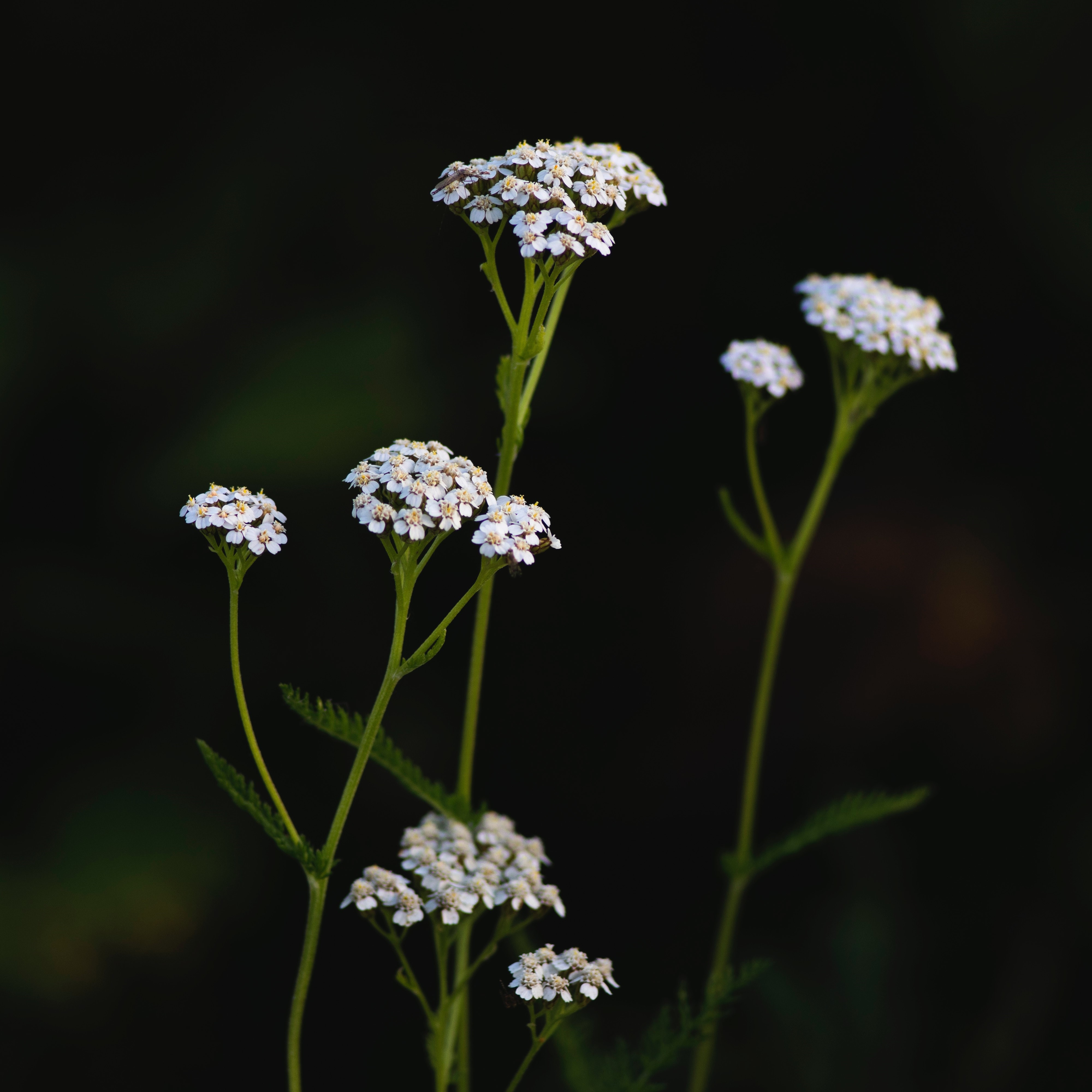
The benefits of a native garden are endless.
As environmental issues have risen to the forefront of many people's minds, people are wondering what they can do in their own gardens to help create a
healthy biome. This is where growing native plants comes in. While nonnative species require lots of upkeep and special conditions to keep alive, and
may hinder the plants growing around them, native species do the opposite. Because they have evolved to live in your specific conditions, they require
much less work to maintain. They won't require fertilizers, they're perfectly fine working with what you have. Additionally, you won't need to water
them as much. The deep root systems of many native plants increase the soil's capacity to store water. Native plants can significantly reduce water
runoff and, consequently, flooding.
The environmental benefits are possibly even greater than the ones previously mentioned. One is that they support the native wildlife that keeps the
ecosystem functioning. Native plants can serve as both food and shelter for native fauna, many of whom are endangered or at risk. Another benefit to
native gardens is that they promote biodiversity. It's important to have a rich and diverse ecosystem, because a diverse biome is a strong one. If one
species were to disappear, another species would fill its niche, preventing ecological collapse. Last but not least, native gardens are beautiful and
provide lush, scenic views to your home. They showcase the rich natural heritage of your region and are something to be proud of.
Native Michigan Flowers
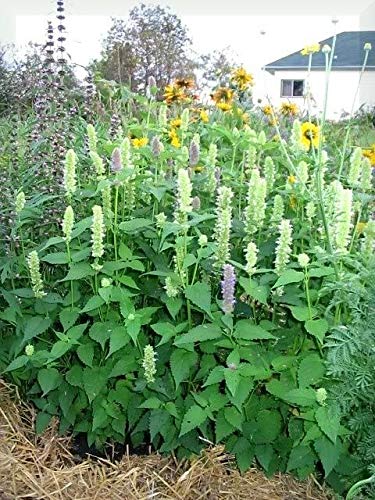
Yellow giant hyssop (Agastache nepetoides)
Yellow giant hyssop grows from 4-6 feet high, blooms in the summer, and likes mesic soil. It will do well in full sun to light shade. Bees are
drawn to the flowers as well as butterflies. This plant is in the mint family and when the leaves are crushed, they put off a minty aroma.
\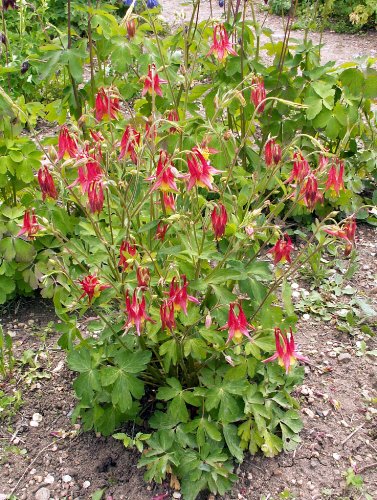
Wild columbine (aquilegia canadensis)
Wild columbine is another great choice to consider. It grows about 2-3 feet tall and blooms in spring. It likes part shade to full sun and
mesic to dry-mesic soils. The large, showy flowers on this plant will attract bees, birds, butterflies, as well as other pollinators. They will
make a beautiful addition to your landscape.
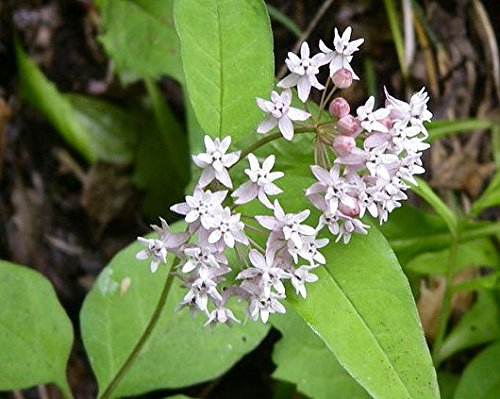
Poke milkweed (asclepias exaltata)
There are several types of milkweed that are native to Michigan and poke milkweed is one of them. You can also find swamp milkweed and common milkweed
native here as well. Poke milkweed grows about 3-5 feet tall and blooms in the summer. It likes shade to part sun and dry-mesic soil conditions.
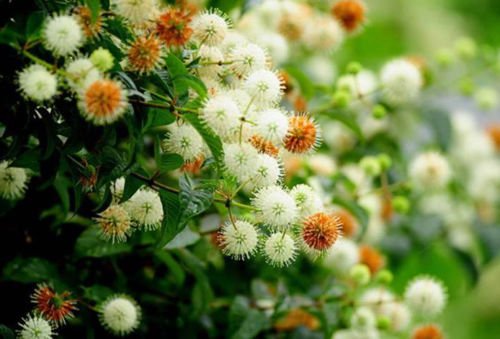
Button bush (cephalanthus occidentalis)
Button bush likes full sun to part shade, mesic to wet-mesic soils, and can grow 5-8 feet tall. It blooms in summer. This ornamental is also a honey plant,
which is why it is sometimes called honeybells or honey balls. Ducks, water birds, and shorebirds will eat the seeds that it produces. It will attract
native birds and butterflies and it’s low maintenance and cold tolerant.
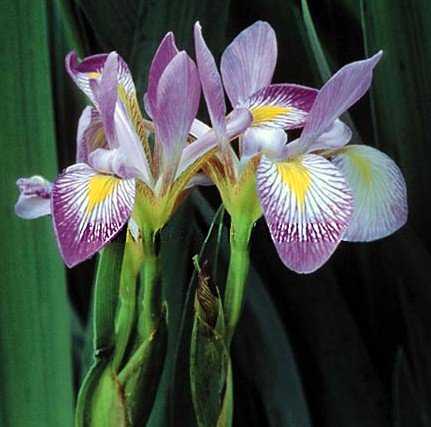
Southern blue flag (iris virginica)
This is a pretty, delicate-looking flower that blooms in late spring. It likes full sun to part sun, and mesic to wet soil. It grows about 2-3 feet high.
This is a wetlands species of iris and it’s mostly found in coastal areas. It has a very distinguishable look to the non-fragrant flowers.
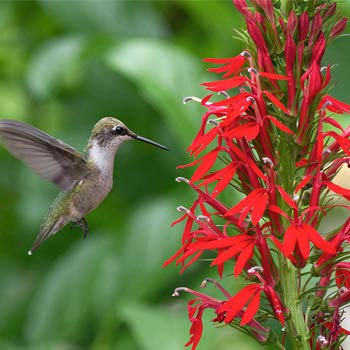
Cardinal flower (lobelia cardinalis)
The scarlet red color of the cardinal flower is sure to make a statement in your garden. It blooms in late summer and can grow from 2 to 6 feet high. It likes
wet-mesic soil and light shade to part sun. Cardinal flowers are part of the bellflower family, and the showy red flowers attract birds, butterflies, and bees.
The flowers also have a nice aroma.
Tips for Planting
Prepare the Site
- Clear away all loose materials, such as leaves, rocks and branches, from the area where the hole will be dug.
- Dig the hole wide enough to completely spread out the plant roots without crowding or bending them, and deep enough so that the plant will be at the level it was in the pot.
- Clear any existing roots in the hole.
Preparing Potted Plants
- Keep all plants moist and cool until planting.
- Tip pot on its side and gently press on the pot to loosen the plant. Gently pull it out by holding the base of the stem.
- Pull any loose roots outward and cut or straighten any encircling the rootball.
- Place plant in hole and arrange roots so they point outward.
- Make sure the plant is placed at its original depth.
Replacing the Soil
- Backfill using the native soil that was originally dug out of the hole.
- Ensure only soil goes back in the hole-- no large rocks, sticks, clumps of grass, etc.
- Do not add any fertlizer or compost.
- Gently push soil around the roots in the hole and push soil down firmly.
Finishing Up
- Water plant immediately to settle the soil and eliminate air pockets.
- If using compost or mulch, apply to the top of the soil in a circle at least as wide as the roots, but not touching the stem.
Contact